James Horatio Williams: The Ocracoke Captain Who Watched A Nation Go To War
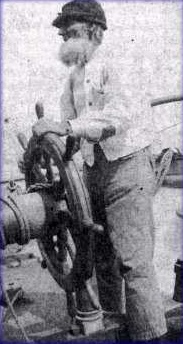
James Horatio Williams photographed in 1887 in Philadelphia, PA. This photo appears in O’Neals of Ocracoke Island: Their Ancestors and Descendants 3rd Edition by Earl William O’Neal Jr. Image used with credit to the published work.
By the time James Horatio “Horatio” Williams entered the world on October 8, 1827, the white tower of the Ocracoke Lighthouse had stood watch over North Carolina’s Outer Banks for only five years. Built in 1823, it guided mariners through the shifting waters of Ocracoke Inlet, a passage that would shape Horatio’s life from childhood.
Horatio was the youngest of three children born to James Nelson Williams and Elizabeth Barzilla “Zilly” O’Neele Williams. Although surrounded by the beauty and opportunity of island life, his childhood was marked by heartbreaking loss.
History Snapshot
- 1825–1829:
John Quincy Adams, 6th President - 1829–1837:
Andrew Jackson, 7th President - 1837–1841:
Martin Van Buren, 8th President - 1841:
William Henry Harrison, 9th President
In 1838, when Horatio was just eleven years old, his father died at the age of forty-three. Only two years later, tragedy struck again when his mother died at the age of forty. By thirteen, Horatio and his siblings had lost both parents.
What became of the three orphaned children remains one of the unanswered questions in our family’s history. It was common for orphaned children to be taken in by relatives, yet no records have surfaced revealing where Horatio or his siblings lived after their parents’ deaths. Equally puzzling is the absence of the family from census records before 1850. For now, that chapter of Horatio’s life remains hidden, waiting for a future discovery to bring it to light.
Sometime before 1850, Horatio married Martha O’Neal. Although no marriage record has been found, the 1850 census places twenty-two-year-old Horatio and seventeen-year-old Martha together in the Ocracoke District, beginning the story of a family that would weather both personal joys and one of the most turbulent periods in American history.
Their first child, Anne Mariah Williams, was born on December 20, 1850. Benjamin followed in 1852, James Nelson on April 2, 1855, and Euphemia Fair “Farrow” Williams on March 16, 1859. As their family grew, so did Horatio’s reputation on the water.
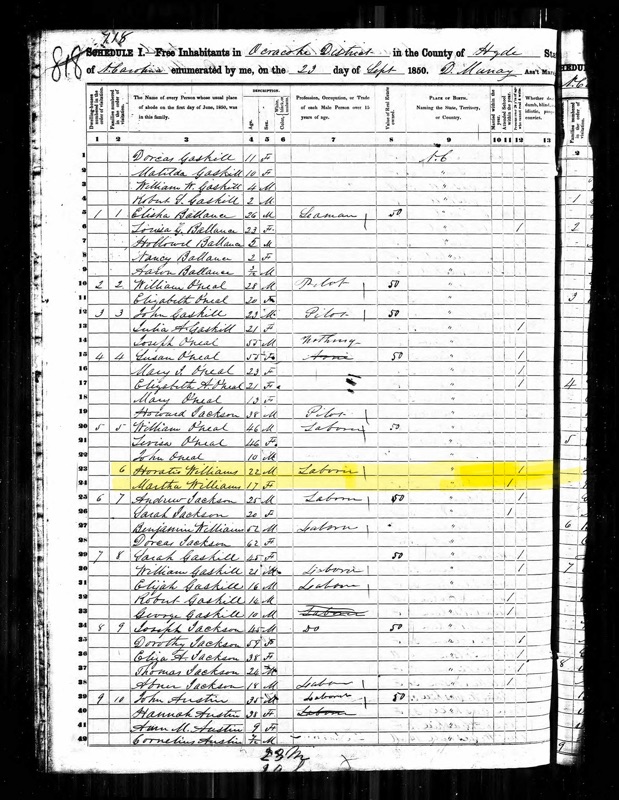
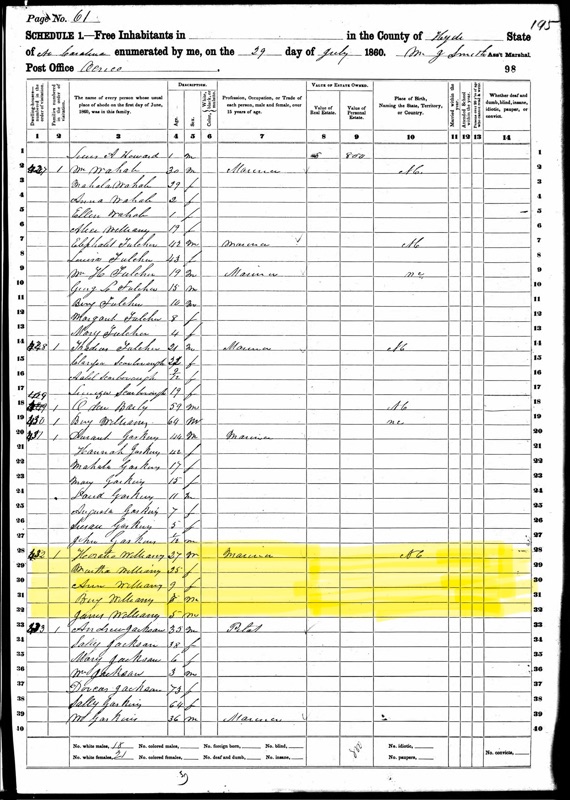
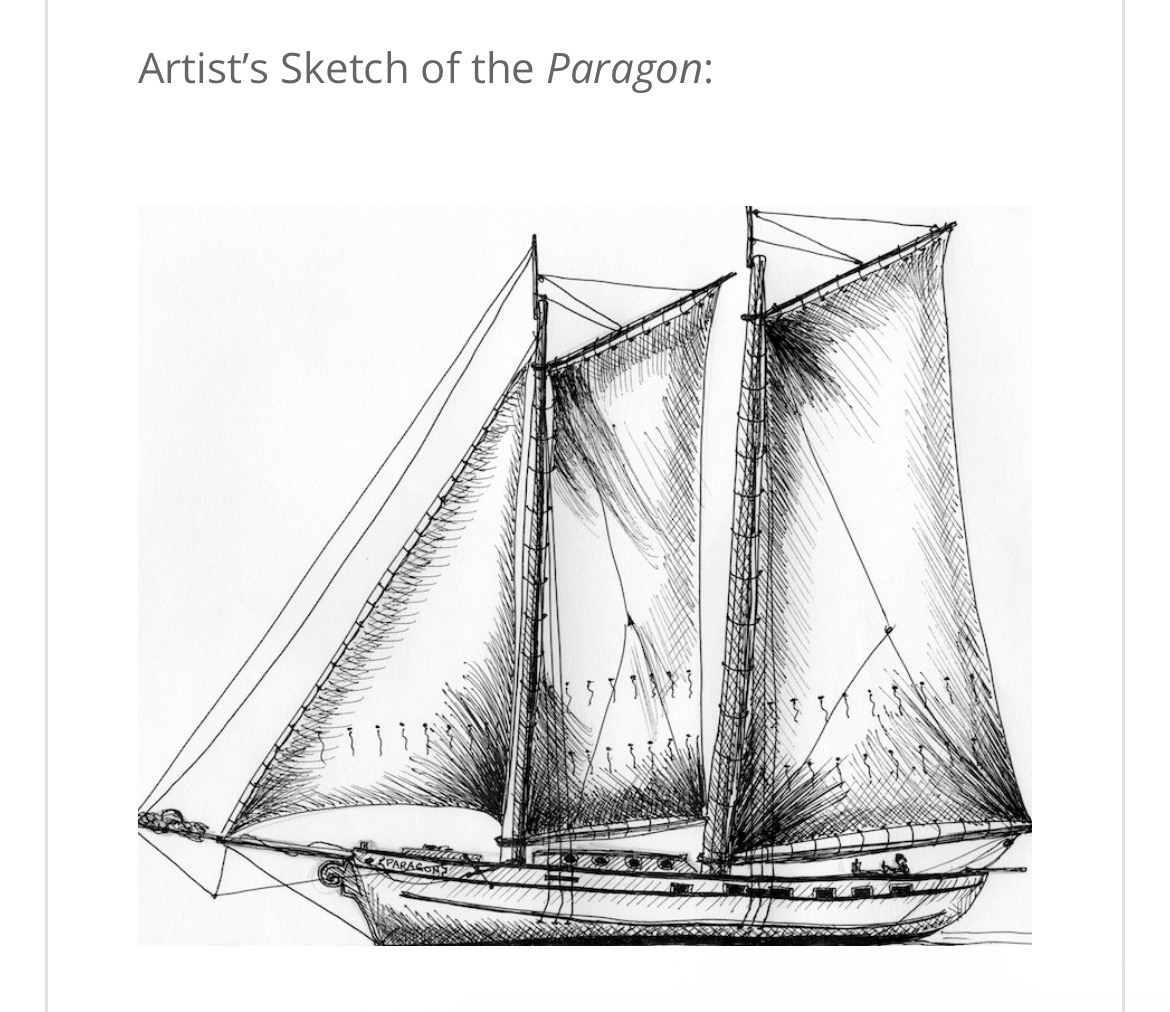
The 1860 census lists him simply as a mariner, but that single word hardly captures his life. Like generations of Ocracoke seamen before him, Horatio earned his living along the Atlantic coast and to the West Indies, transporting cargo between ports. He likely began his career working aboard other men’s vessels before eventually purchasing a half interest in the two-masted schooner Paragon. Built on Ocracoke by master shipbuilder Jobey Wahab with the help of slave labor, from live oak, red cedar, and white oak all from the island. The schooner represented decades of local craftsmanship and maritime tradition.

When Wahab accepted work on the mainland, Horatio became master of the Paragon. It was a hard-earned achievement, but within a few years both Horatio and his beloved vessel would find themselves in Charleston Harbor as the United States stood on the brink of civil war.
Horatio had built a life on the waters of the Atlantic. He had overcome the loss of his parents, established a home with Martha, welcomed four children, and earned the respect that came with becoming captain and part owner of the Paragon. By 1861, life seemed to be moving in a promising direction.
But history had other plans.
As tensions between North and South reached a breaking point, Horatio found himself in Charleston Harbor aboard the Paragon, unknowingly about to witness one of the most pivotal moments in American history. Within days, his livelihood, his ship, and the future of the nation would all hang in the balance.
Join me in Part II as we follow Captain Horatio Williams into Charleston Harbor, where the opening shots of the Civil War forced him to make a daring decision that would become one of the most remarkable stories in our family’s history.


Comments
Post a Comment