James Horatio “Horatio” Williams—Part II: When the War Began
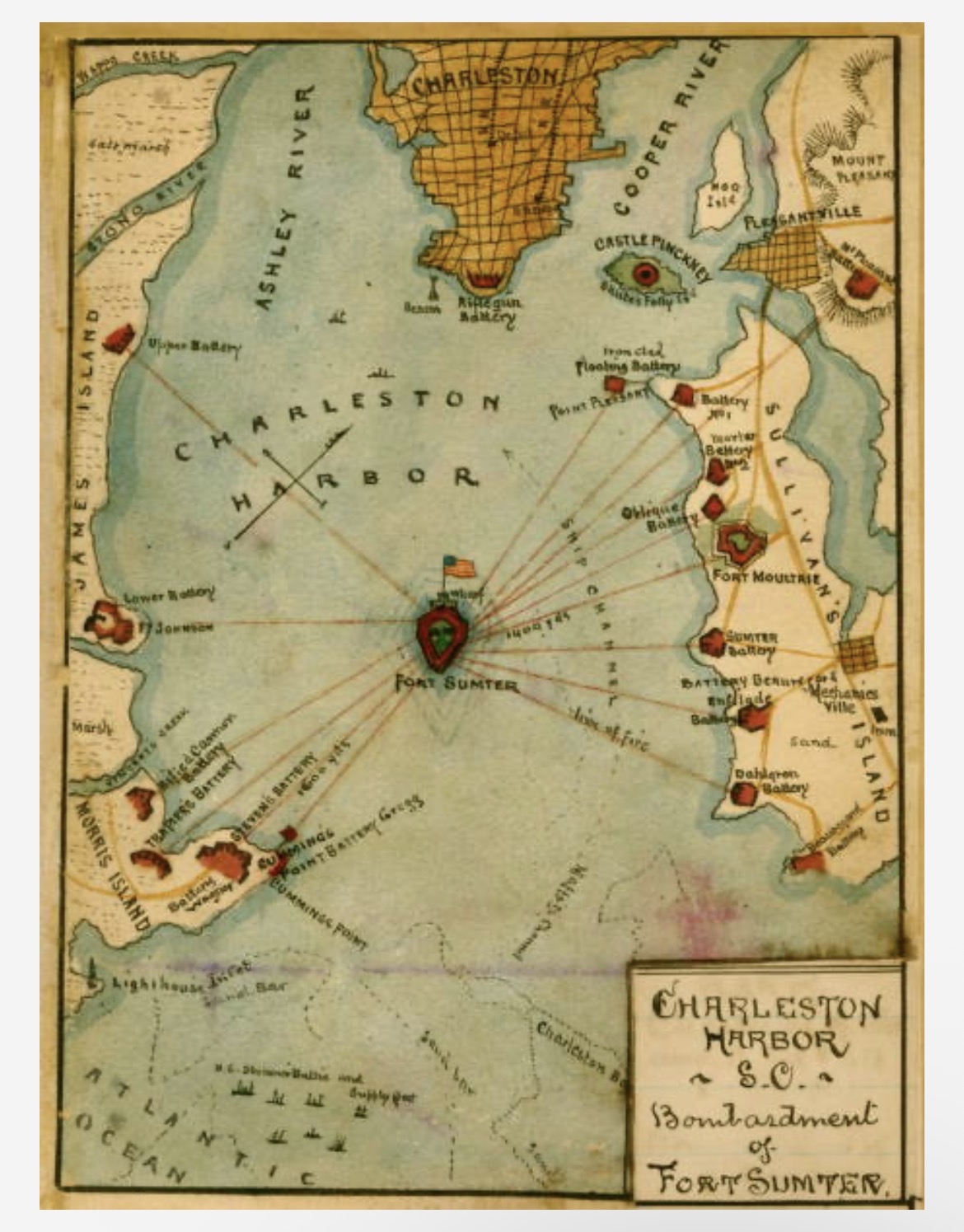
By the spring of 1861, Captain James Horatio Williams had built a life around the sea. As master and part owner of the two-masted schooner Paragon, he sailed the waters of the Atlantic coast carrying cargo between ports from New York to Florida and to the West Indies. Like countless mariners of his day, his livelihood depended on safe harbors, favorable winds, and a nation at peace.
Peace, however, was slipping away.
Following the election of President Abraham Lincoln in November 1860, tensions between the North and South escalated rapidly. By early 1861, seven Southern states had declared their secession from the Union, and Charleston Harbor had become the center of a growing national crisis. Confederate forces surrounded Fort Sumter, where Major Robert Anderson (a potential Lowery relative) and a small Union force remained isolated inside the fort.
Horatio and the Paragon found themselves in Charleston Harbor during this rising storm.
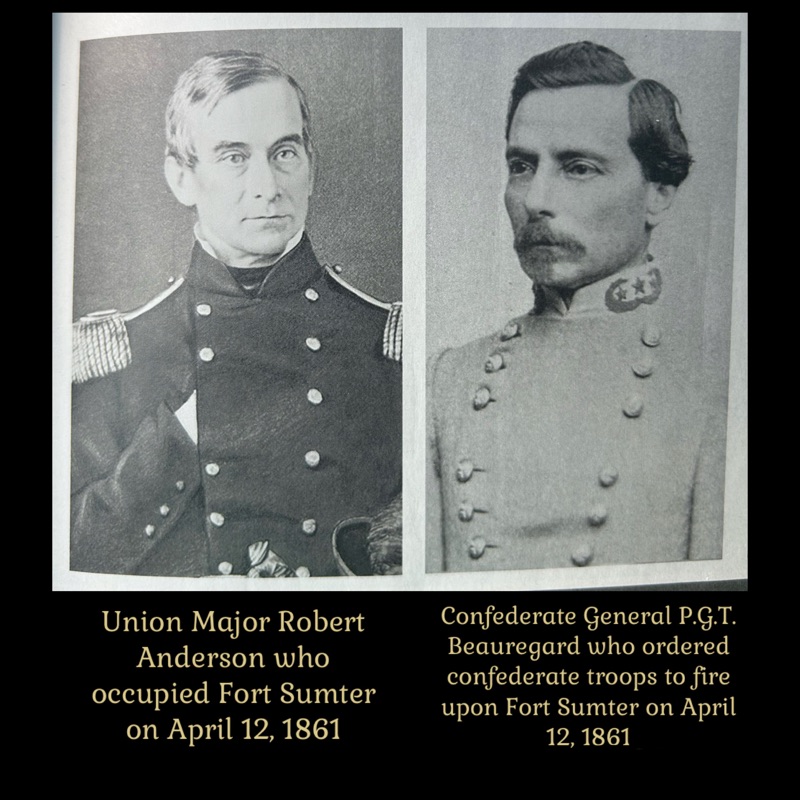 Major Anderson and Genera Beauregard before they faced one another across Charleston Harbor at Fort Sumter, Anderson and Beauregard shared a very different connection. Both were graduates of the U.S. Military Academy at West Point, and Beauregard had even served under Anderson as one of his artillery students. Their professional relationship made the opening of the Civil War especially poignant, as former comrades found themselves commanding opposing sides during the conflict’s first battle.
He had delivered cargo into the port, as he had done many times before, and then found himself waiting for a return shipment that never came. As political tensions tightened their grip on the city, outbound trade slowed, then stopped altogether. When it became clear that no freight would be forthcoming and the harbor itself was on the edge of war, Horatio made a practical decision. Rather than remain trapped in a collapsing port, he would take the Paragon and return home to Ocracoke.
What he did not yet know was that the nation was only hours away from its breaking point.
One crucial detail shaped everything that followed. Horatio was not alone in Charleston — but he also had a pregnant wife waiting for him at home. Martha Williams was expecting their fifth child, and the urgency of returning to his family was never far from his thoughts as the crisis deepened around him.
As Charleston filled with soldiers, merchants, and anxious crowds, Horatio found himself caught in the rising tide of history. According to a later family account published in The News and Observer, port authorities informed him that the Paragon would not be permitted to leave. A Union relief fleet was approaching Charleston Harbor, and civilian vessels were being held in place as the situation deteriorated. Horatio protested, fearing he would lose his schooner if he remained after hearing Confederate forces discussed using the Paragon.
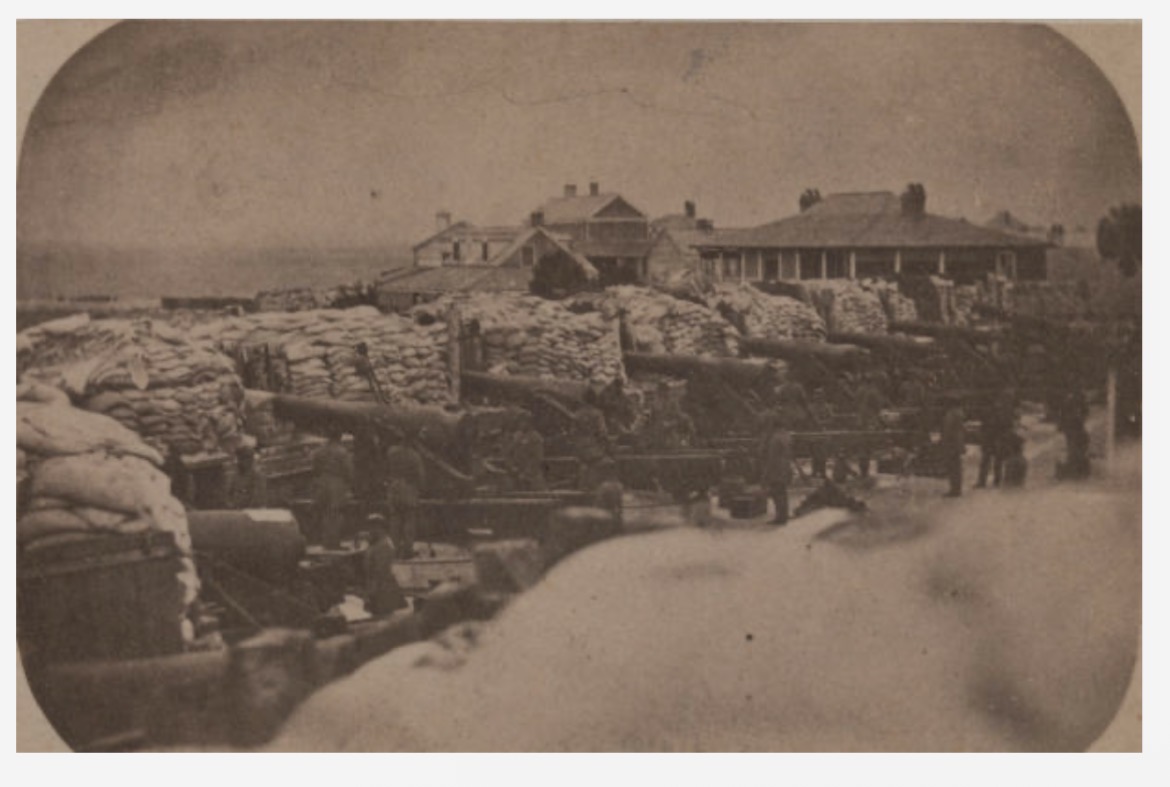
Charleston, South Carolina battery before the bombardment
That night, he went ashore in Charleston and made his way to the Battery, overlooking the harbor.
It was there that he experienced the beginning of the Civil War.
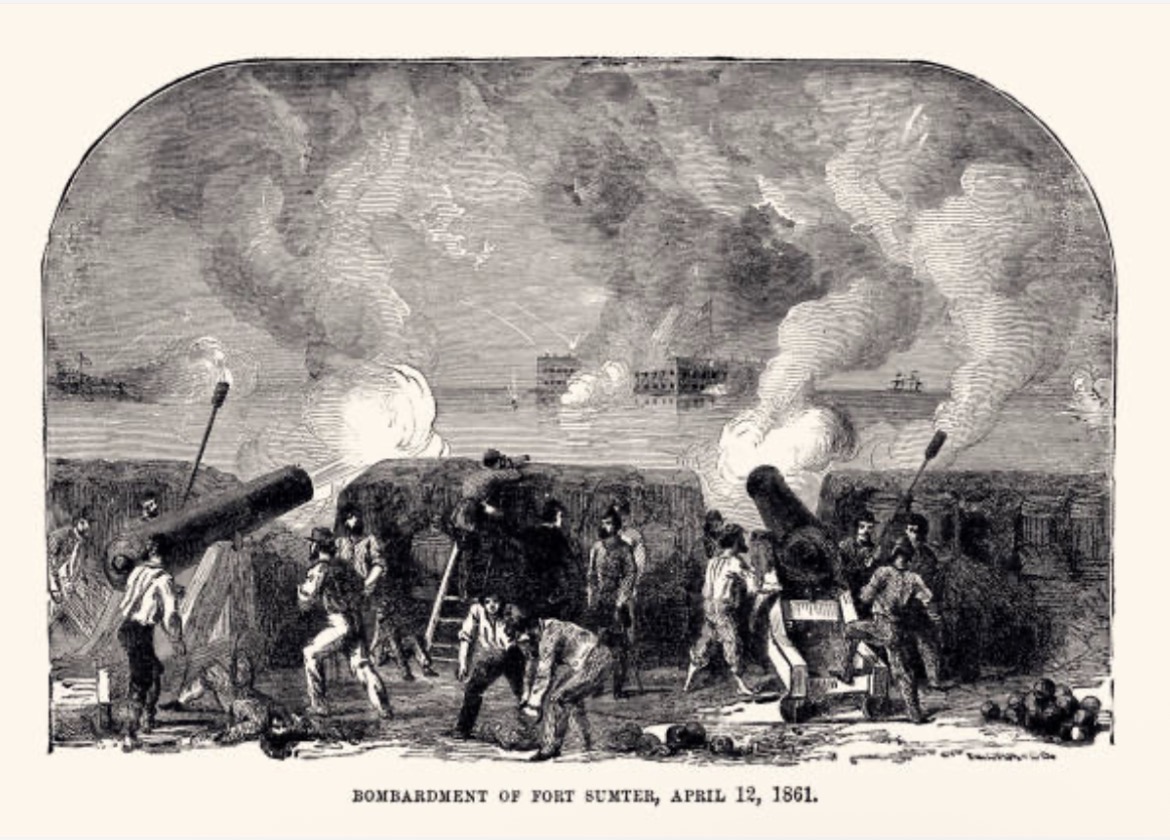
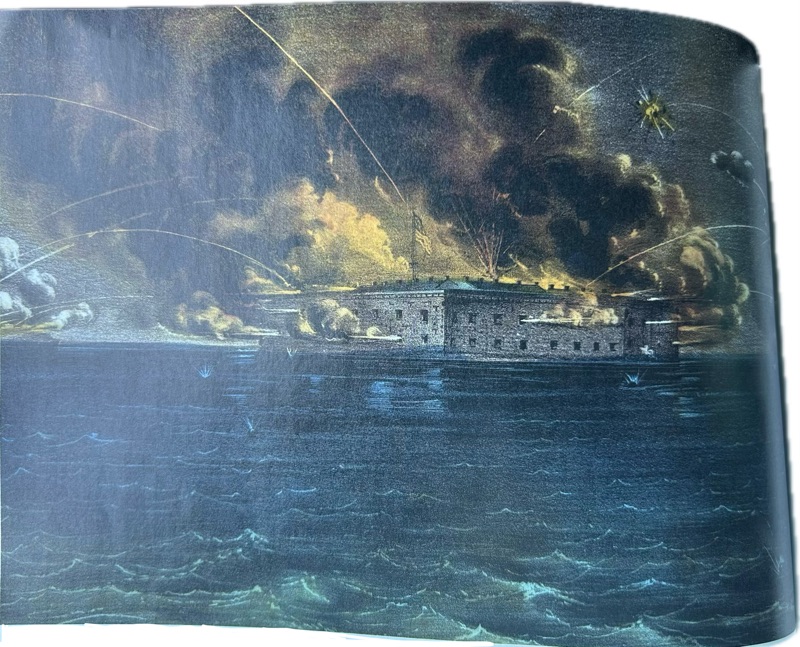
In the early hours on April 12, 1861, the first shot was fired toward Fort Sumter. The moment is often attributed to Edmund Ruffin, a passionate advocate for Southern independence who is said to have fired the opening round that signaled the start of the bombardment. Within moments, Confederate batteries around the harbor erupted into coordinated fire.
Around Horatio, Charleston transformed into a scene of chaos and anticipation. Crowds pressed along the waterfront, voices rising as the first shells streaked across the sky. Above the noise, the harbor itself became a corridor of sound and light — cannon fire flashing across the darkness, echoing off water and stone.
It was through this chaos that Horatio made his decision.
Returning to the waterfront, he gathered his small crew — men who had spent their time ashore in one of Charleston’s favorite taverns, waiting out the uncertainty of the port. He found them and brought them quickly back to the Paragon, urgency replacing hesitation as the city around them erupted into open war.
With sails prepared and lines cast off, the Paragon slipped quietly into the harbor’s darkness.
They did not sail blindly.
As they moved through Charleston Harbor, Horatio used the light of the cannon flashes and the rhythm of gunfire along the shoreline to guide their passage. Each burst of flame briefly illuminated the water ahead, revealing channels, obstacles, and shifting fog as the schooner made its way toward open sea.
By dawn, Charleston Harbor had disappeared behind them.
Capt. Horatio sailed on past Ocracoke. The crew asked where they were going.
Horatio’s answer was brief and certain:
“I’m keeping the Paragon safe from war.”
Rather than risk capture or destruction, he chose not to turn directly home. Instead, he steered north toward the mouth of the Roanoke River.
The Paragon was safe, but the war had only begun.
What Horatio would ultimately do with his schooner — and how he would protect it from the reach of both Union and Confederate forces — would become one of the most remarkable chapters in his family’s history.
Continue to Part III as Horatio returns to Ocracoke, where Union occupation, divided loyalties, and the fate of the hidden schooner will shape the years ahead.


Comments
Post a Comment