The Man Behind the Ghost of Poole Road - Part II: Building a Life in Wake County
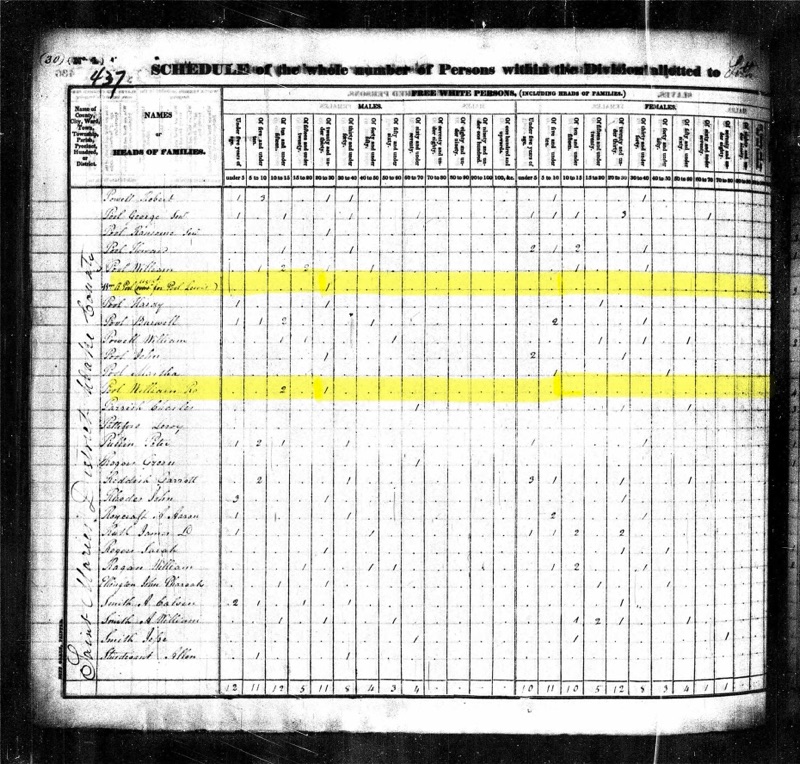
By 1830, William appears in the historical record once again.
Interestingly, his name appears twice on the census.
One listing appears to have been made on behalf of his brother, Lewis Pool Jr., who lived alone and may not have been home when the census taker visited. Another entry represents William's own household.
The household consisted of a white male aged twenty to thirty, almost certainly William himself, along with two younger males aged ten to fifteen. Their identities remain unknown.
The most likely explanation is that they were relatives living with him, perhaps children who had lost parents or required assistance. No evidence has yet been found to identify them with certainty.
A Growing Estate
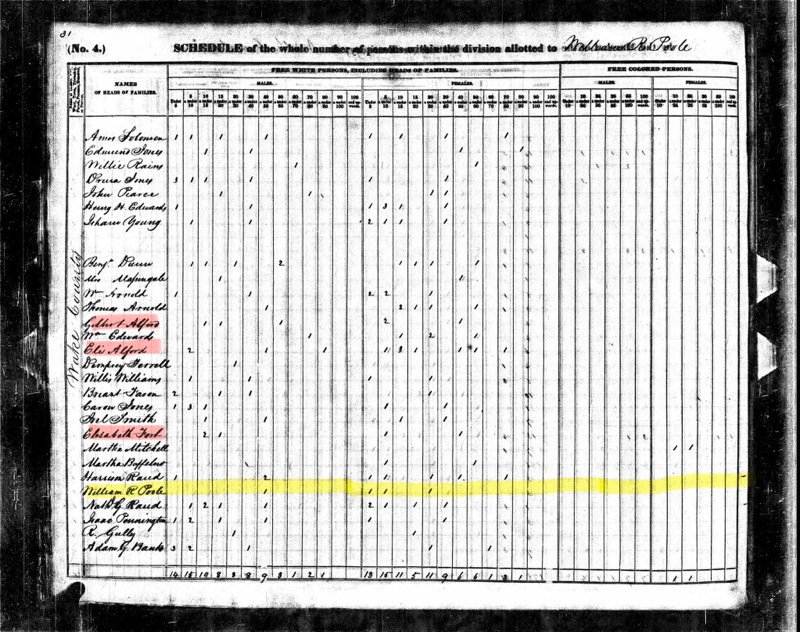
By 1840, William's household had expanded significantly.
The census records show:
- William, now between forty and fifty years old.
- A woman between twenty and thirty.
- A girl between five and ten.
- A girl under five.
- Thirty-six enslaved people.
The 1840 census also reveals something personally fascinating.
For decades, most of William's neighboring households had been occupied by other Pool family members. By 1840, however, the surrounding surnames had changed.
Two nearby families carried the surnames Alford and Fort.
Today, the Fort family appears in my maternal grandfather's lineage, while the Alford family appears in my husband's ancestry. Although I have not yet established the exact connection, it is intriguing to see those names appearing beside William's nearly two centuries ago.
The changing neighbors also suggest another reality: much of the original Pool family land was beginning to pass into other hands.
The Inheritance of Poole Woods
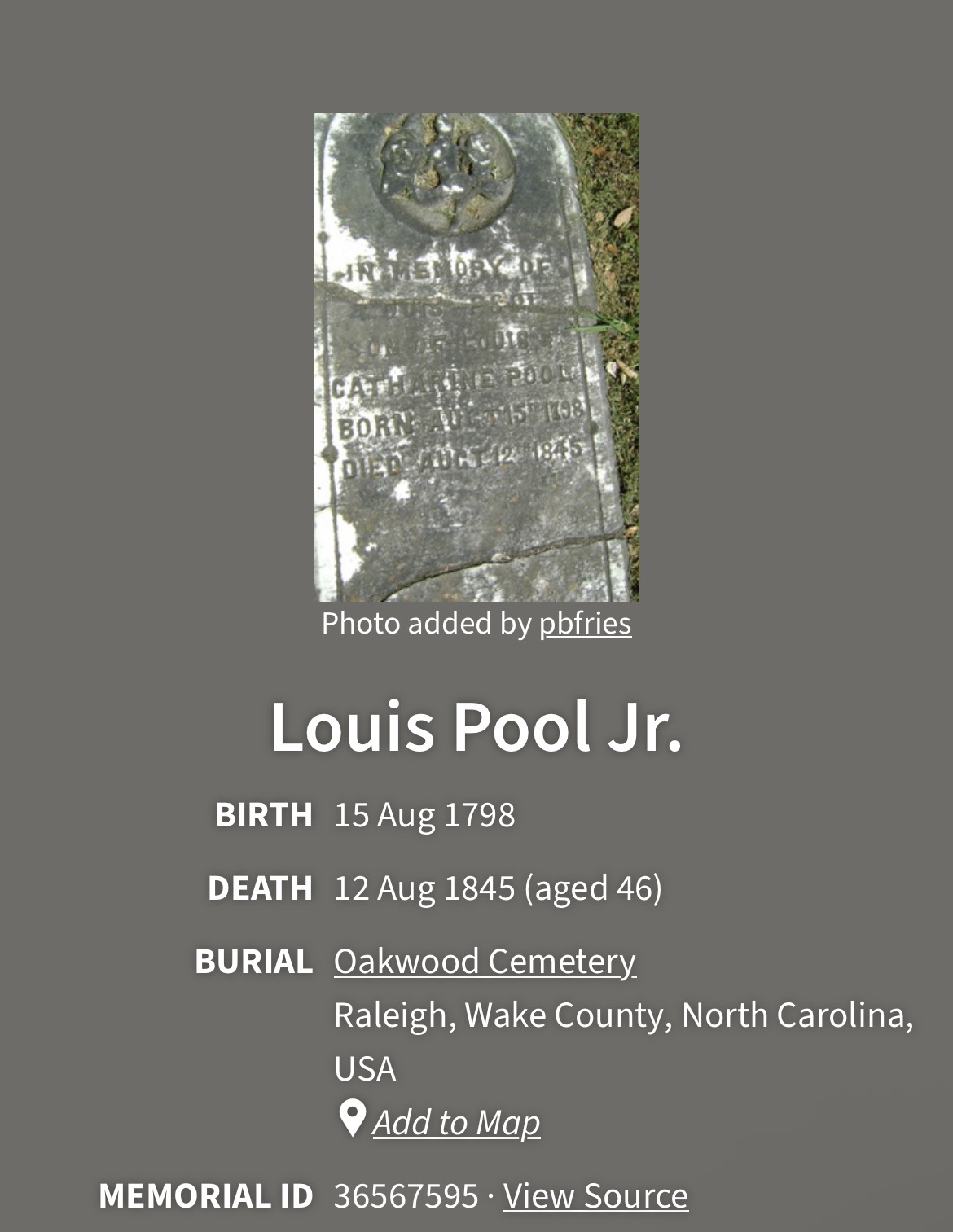
On August 12, 1845, William's brother, Lewis Pool Jr., died.
Lewis never married and had no children.
As a result, his property passed to William.
This land would later become known locally as Poole Woods, a place that would eventually form the foundation of the Ghost of Poole Road legend.
The Wealthiest Years
The 1850 census was the first federal census to identify every member of the household by name.
It records William R. Pool as a fifty-year-old farmer.
Curiously, the census indicates he could not read, despite the evidence that money had been spent on his schooling as a child.
Living with him was Benjamin Poole, believed to have been his first cousin.
The census also shows William owning forty-six enslaved people.
While uncomfortable to acknowledge, the growth of William's wealth can largely be traced through the increasing number of enslaved individuals he owned.
This same census valued William's real estate at $10,000, a considerable sum for the period.
His property included farmland, his father's grist mill, buildings, and enslaved laborers.
The oldest enslaved person working on William’s farm was a man recorded as seventy-two years old. The youngest were one-year-old children.
Wm Poole 1850 CensusA Man of Public Service
In 1855, Thomas Bragg became Governor of North Carolina.
By this time William had become deeply involved in local politics and public affairs.
According to family records and later accounts, William served as a State Proxy for Governor Bragg, representing the governor when he could not personally attend certain events.
Exactly when William's public service began remains uncertain, but evidence suggests he had been active in local government for many years.
He later served as:
- Justice of the County Court of Pleas and Quarter Sessions.
- Chairman of the Wake County Board of Commissioners.
- A civic leader during Reconstruction.
His obituary described him as a respected public servant and community leader.
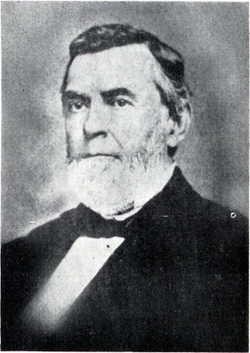
Thomas Bragg - Member of the North Carolina House of Commons 1842 - 1843; 34th Governor of North Carolina 1855 - 1859. During the Civil War he served in the Confederate States Cabinet as the Attorney General. Brother of Gen. Braxton Bragg, the original namesake for Fort Bragg.


Comments
Post a Comment